A society for small land, well kept

Self-sufficient.
Never on your own.

Ordinary yards, worked well, feeding the house and the street. Quiet people, good fences, open gates.

Walk the plots
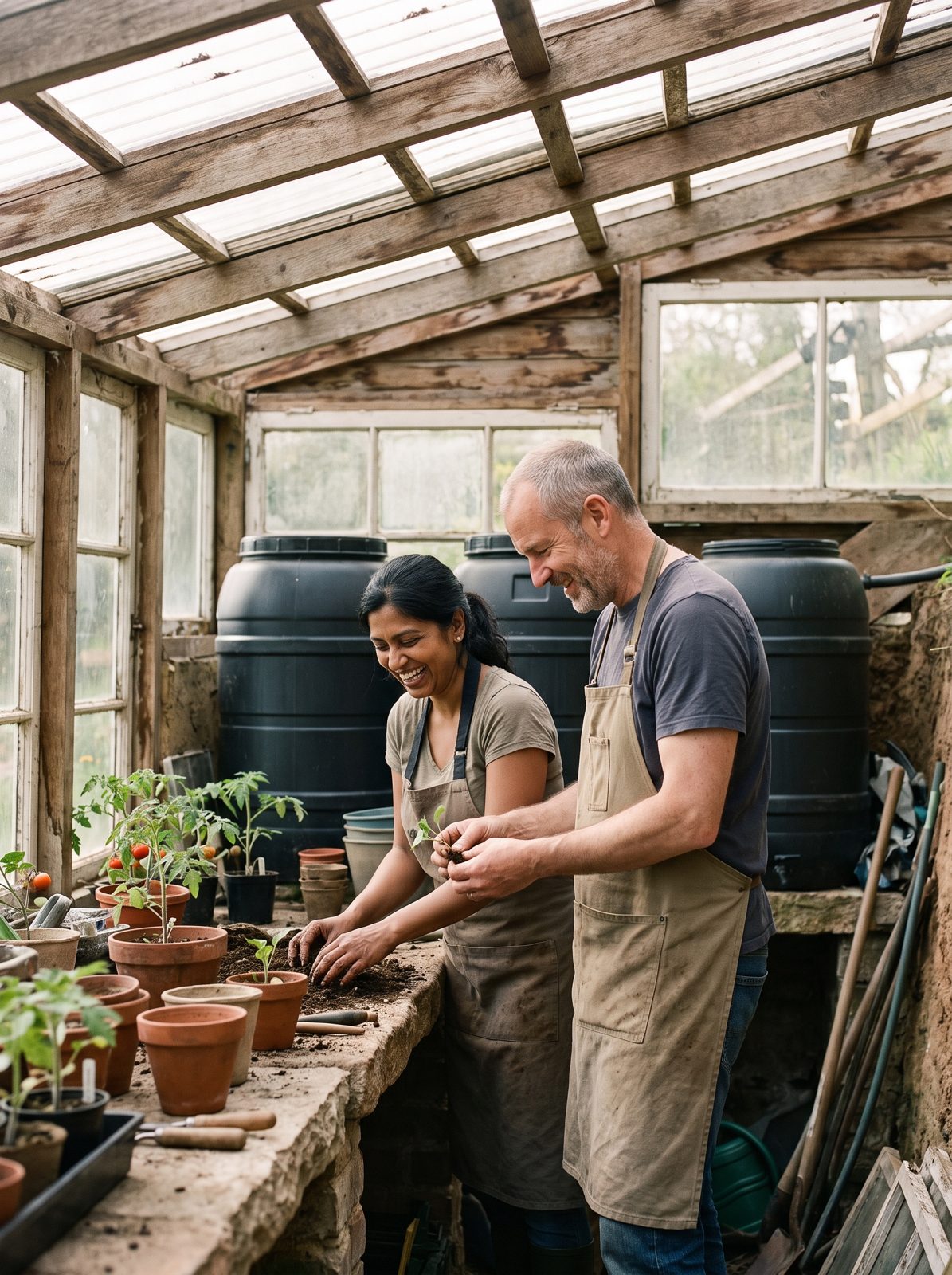
Two neighbors, a woman and a man, potting tomato seedlings inside a sunken greenhouse
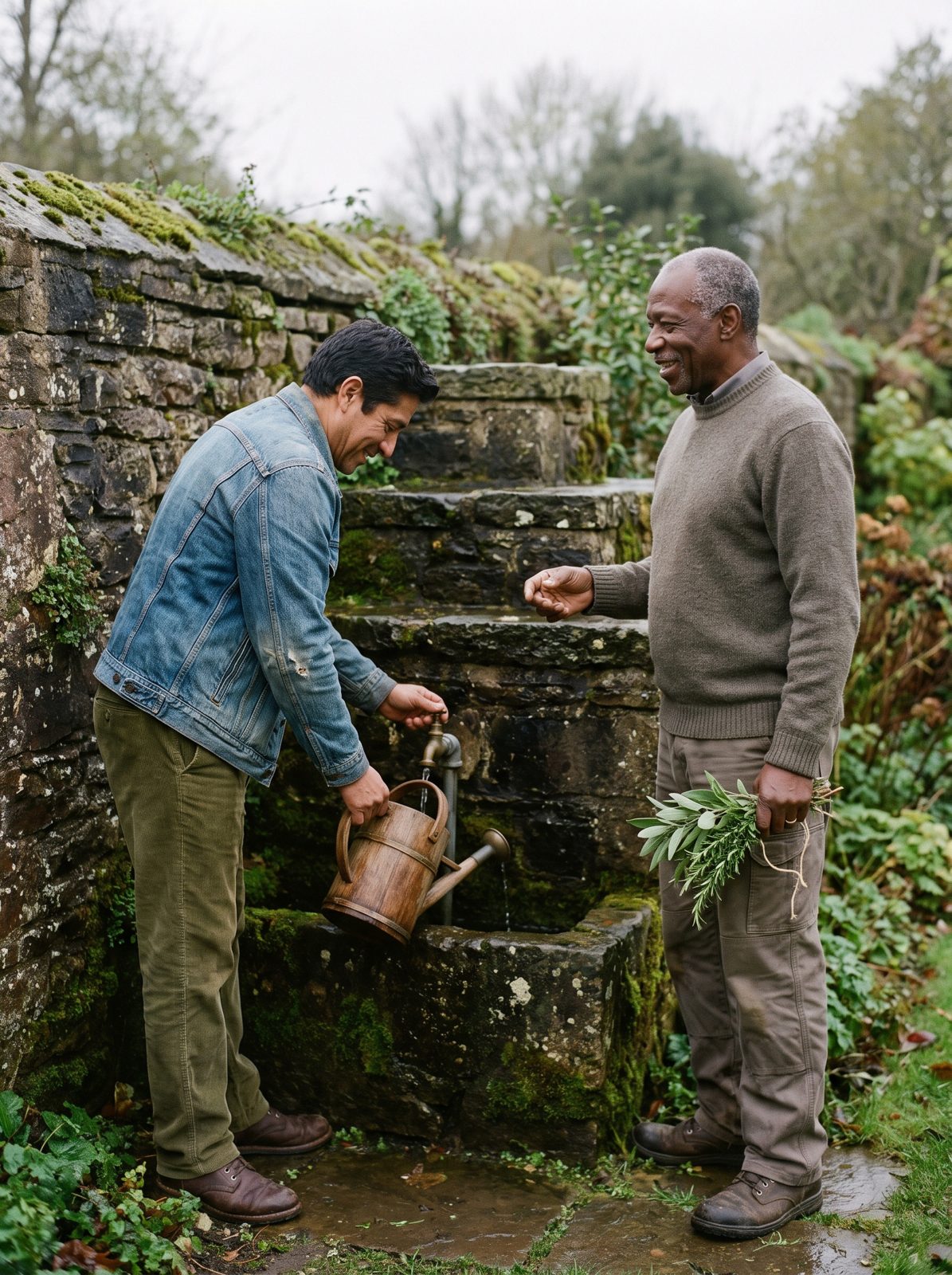
Two men filling a watering can at a stone rain cistern
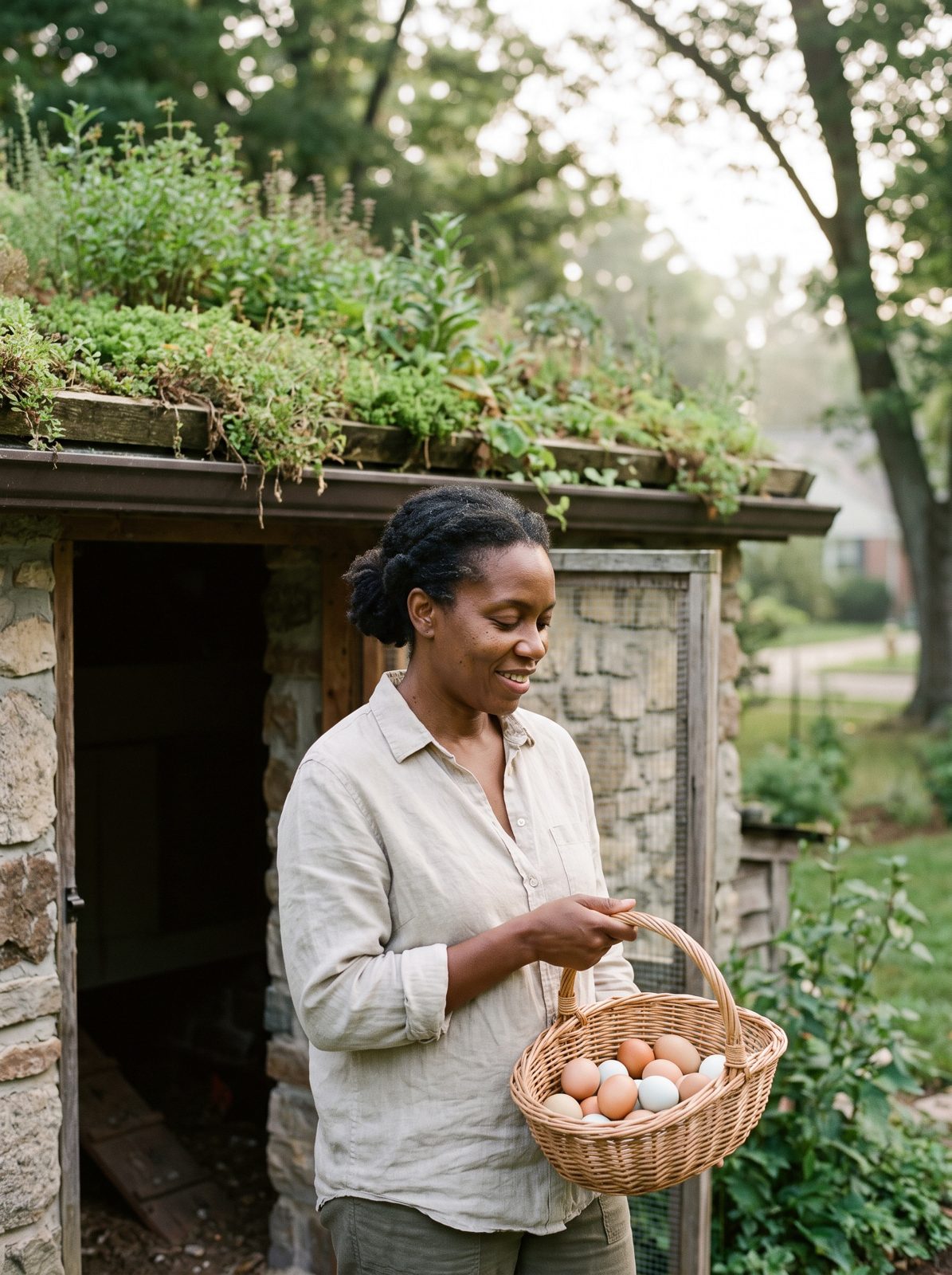
A woman holding a basket of fresh eggs at a stone-walled coop
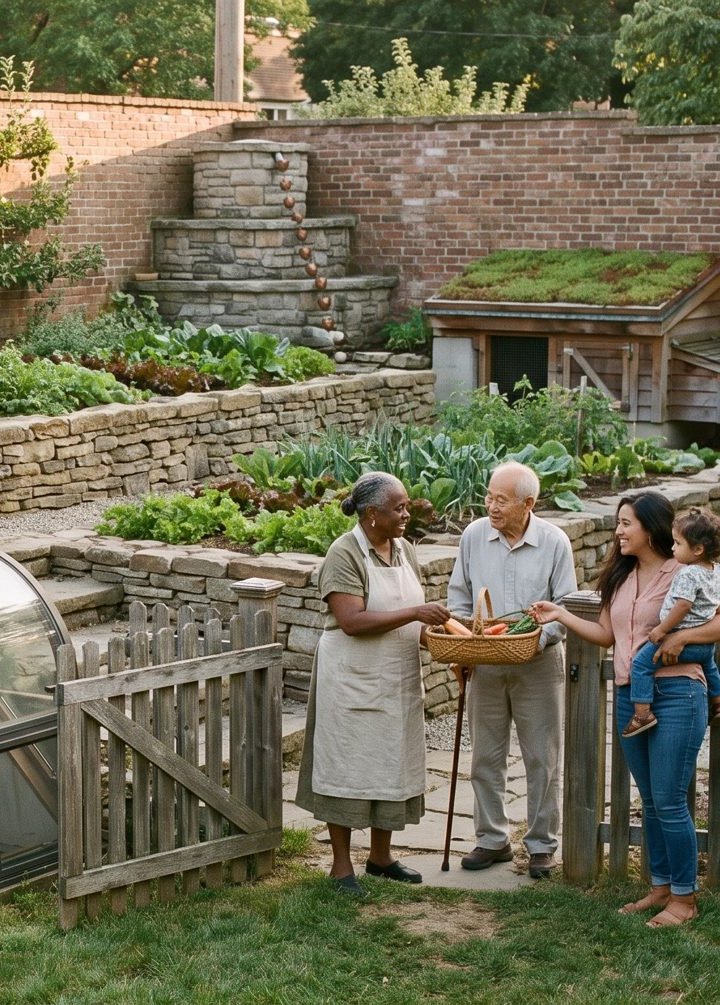
Three neighbors sharing a basket of produce at a garden gate
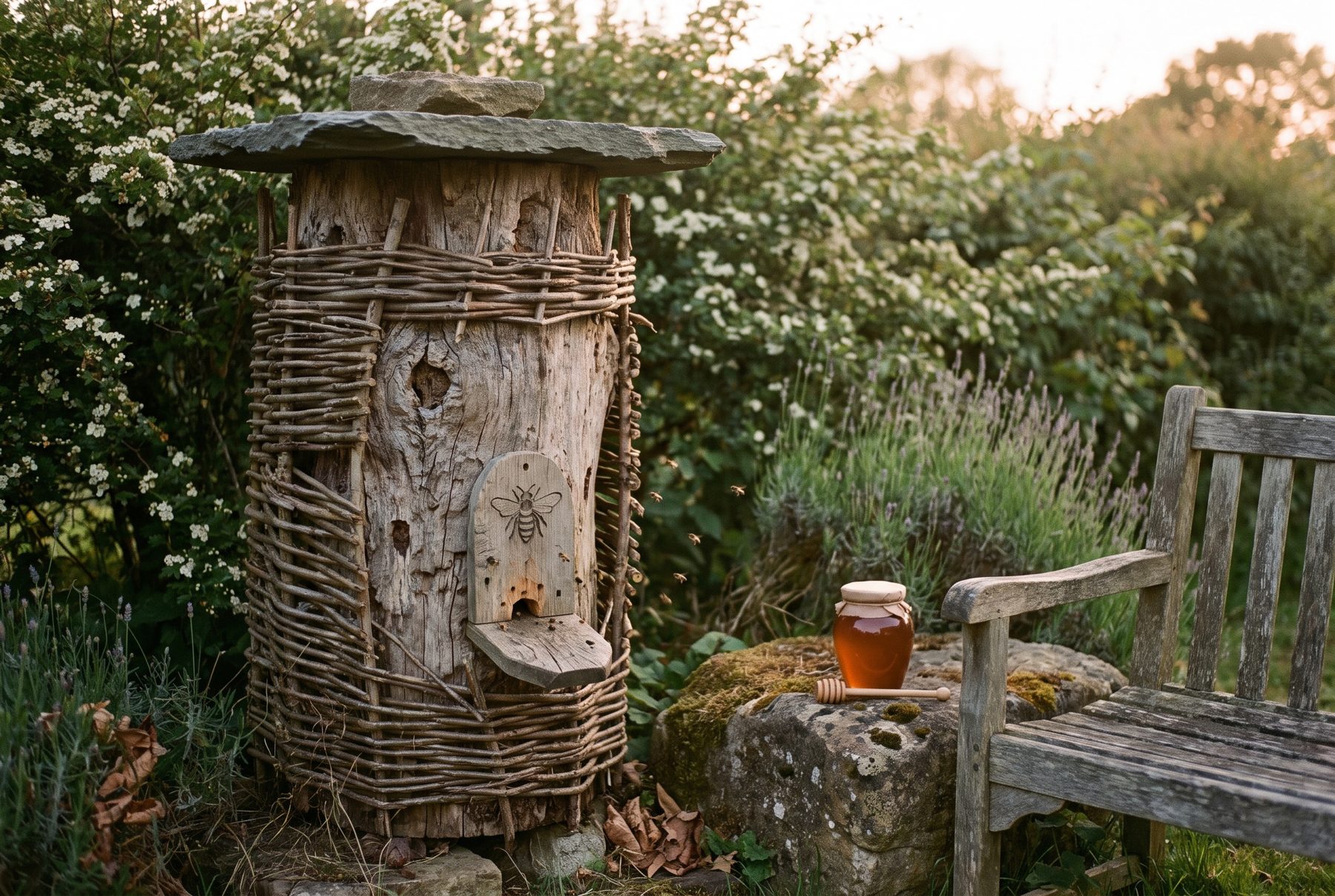
A log hive inside a woven willow tower
The Society

What a quarter acre can do.

Most of us will never own a farm. Nearly all of us have a yard, a wall that catches rain, a corner that catches sun.

The Quarter Acre is for people who would rather make that small piece of land work than wait for a bigger one. Eggs from a coop the size of a dining table. Tomatoes in February from salvaged glass. Rainwater in a cistern instead of down the drain. Projects finished in a weekend and shown to a neighbor on Sunday.

None of it is about being afraid of what's coming. It's about being the house on the street people are glad to know.
The plots

Five builds, one ordinary yard.

Each starts from a plan in The Self-Sufficient Backyard, the book the society is built around. Pictured is what a weekend build becomes when someone keeps at it.

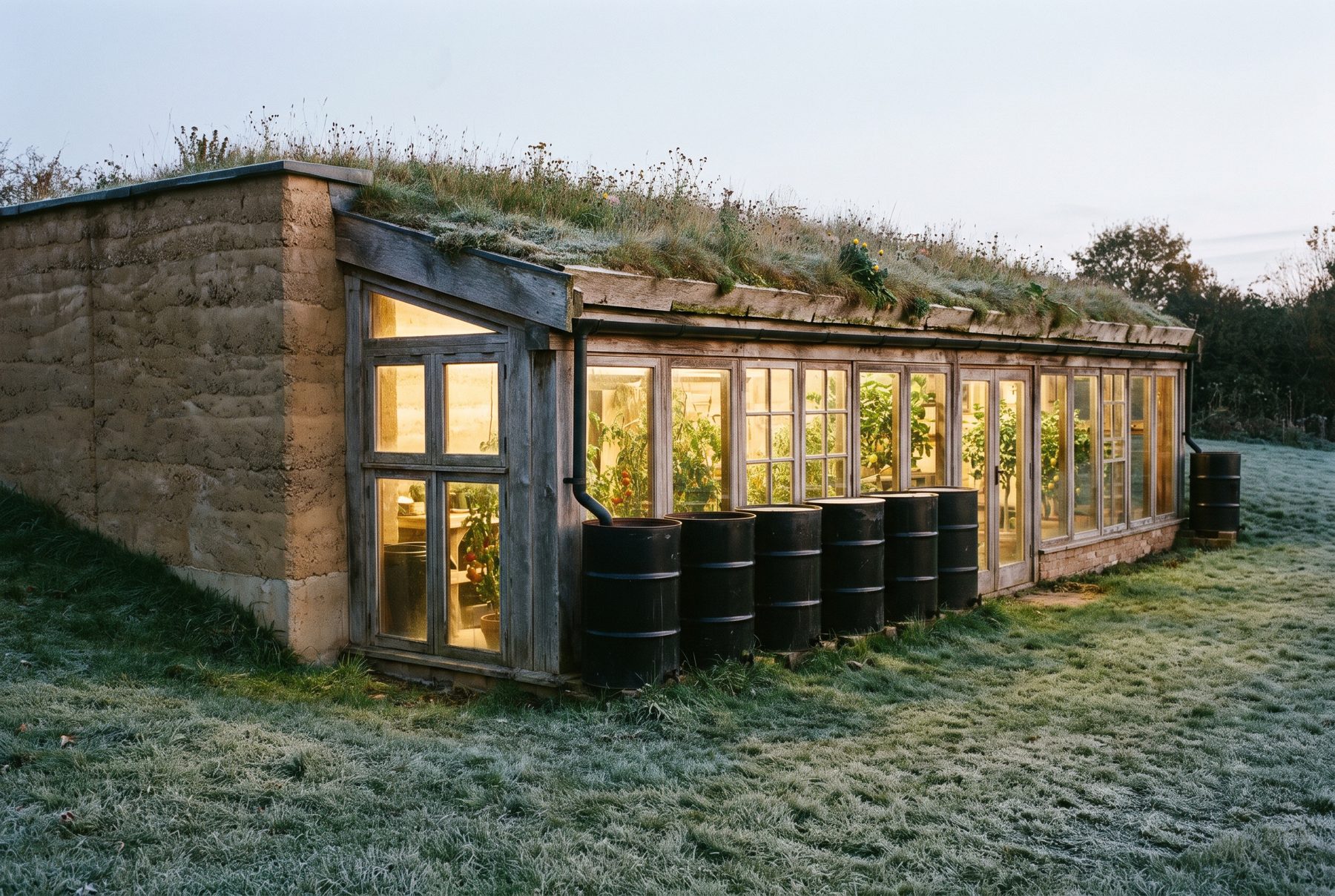
A sunken greenhouse with a turf roof and salvaged glass, lit from inside at dusk

The sunken greenhouse

Dug a meter down, an earth wall for warmth, salvaged glass to the south, a meadow on the roof. The ground does the heating.

In the bookThe solar greenhouse and the walipini
PicturedA sunken greenhouse, years on
Gives backTomatoes in February
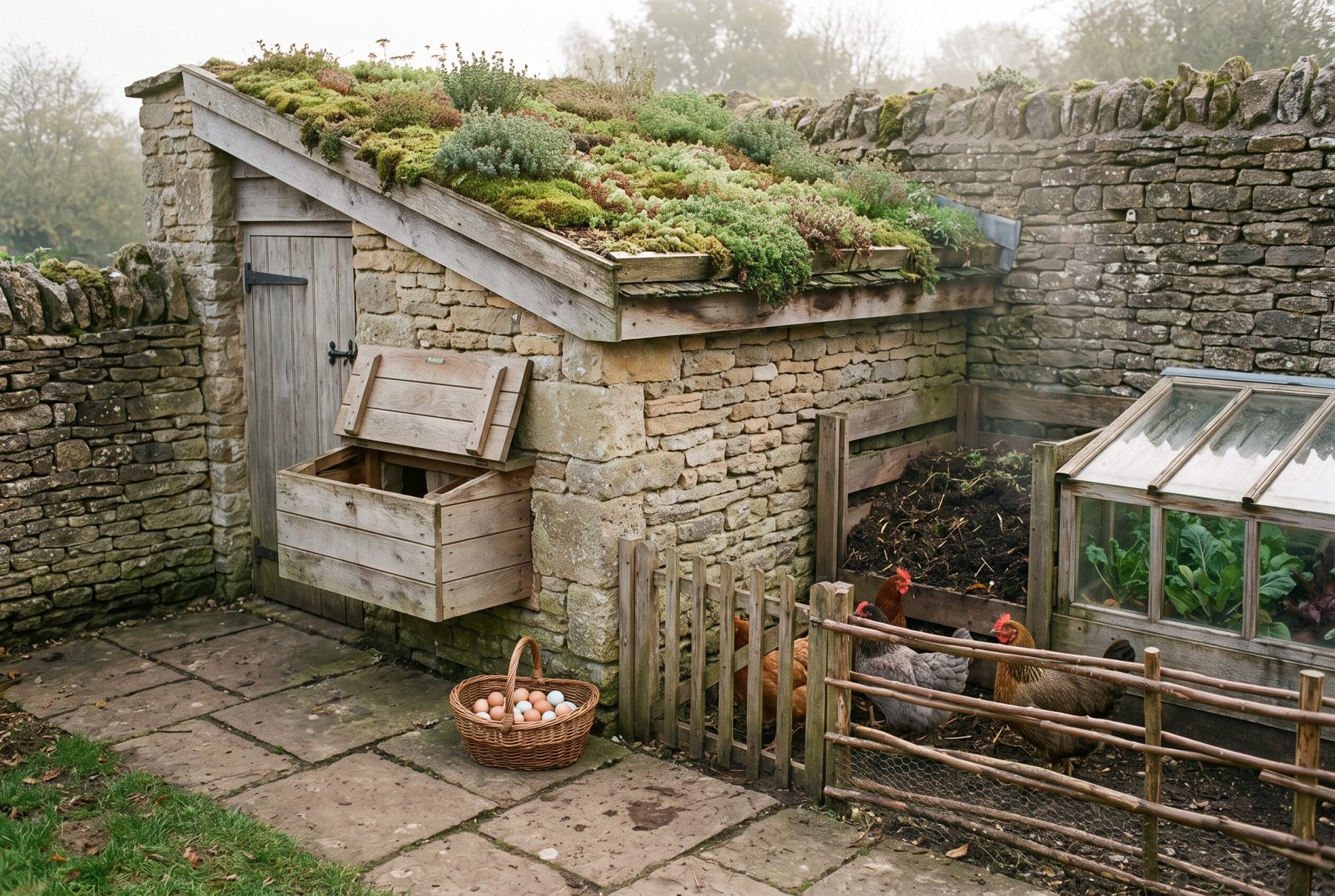
A compact coop built into a stone wall under a living roof

The coop in the wall

A small coop in the wall, a living roof, and a compost bay beside it that keeps a cold frame of winter greens warm.

In the bookThe chicken coop and run
PicturedA coop built into a stone wall, years on
Gives backA dozen eggs a week
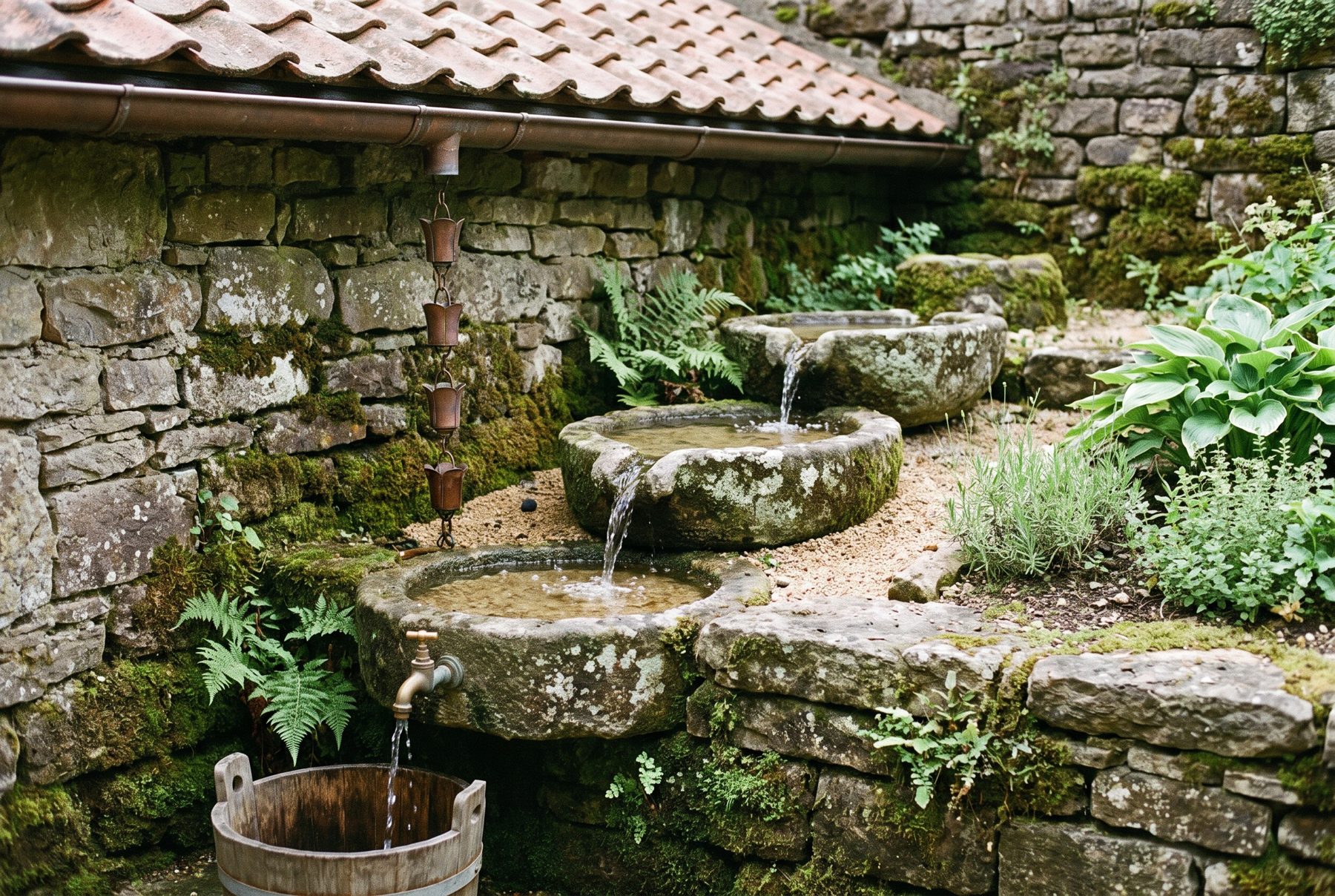
Three stone basins stepping down a mossy wall, fed by a copper rain chain

The stone cistern

A rain chain, three basins stepping down a wall, a sand bed between them. Gravity does the rest.

In the bookA cheap rainwater collection system
PicturedStone basins down a wall, years on
Gives backGarden water you don't pay for
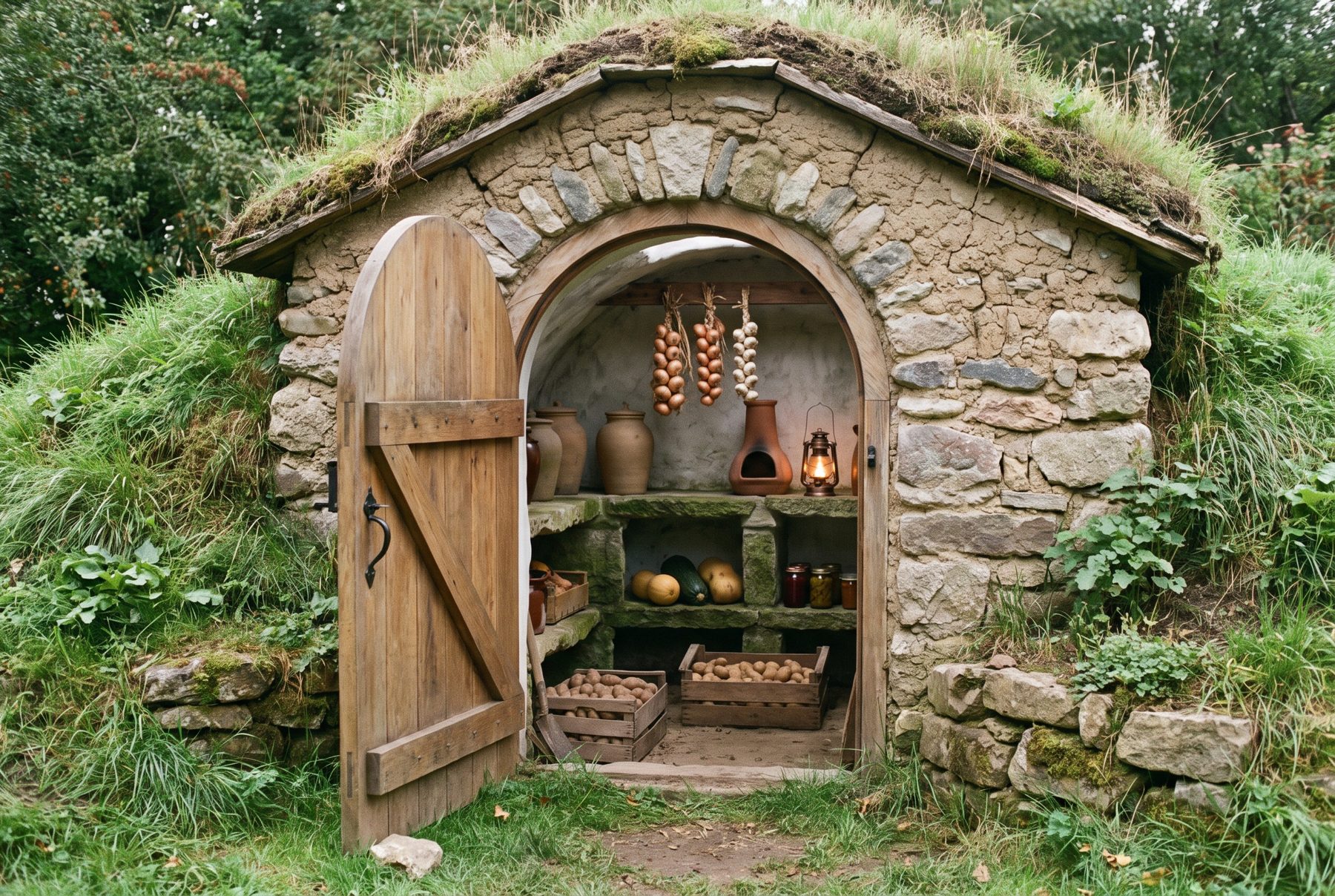
A cob root-cellar dome set into a garden mound, door open onto shelves of stored food

The cellar in the mound

A cob dome under turf, clay jars that cool by evaporation. No electricity, no hum.

In the bookRoot cellars, from a buried barrel to under the house
PicturedA cob dome in a garden mound, years on
Gives backPotatoes to spring
A hollow-log hive inside a willow tower beside a flowering hedge

The hive in the hedge

A hollow log inside a willow tower, a flowering hedge for the bees. The quietest build on the list.

In the bookBuilding the hive; honey by the jar
PicturedA log hive in a willow tower, years on
Gives backHoney for the street
Their book has the starting version, with pictures and diagrams.
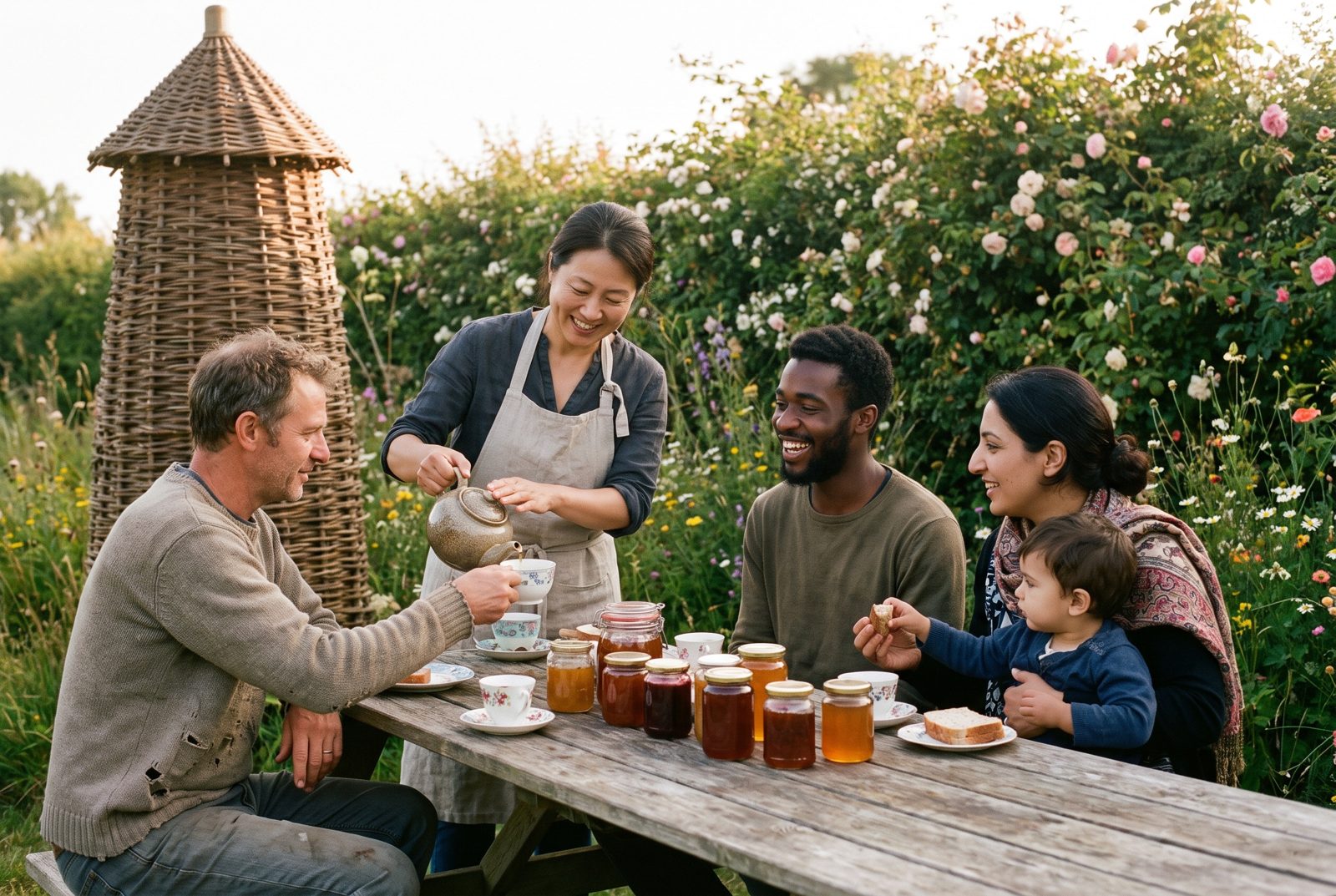
Neighbors sharing preserves and honey at a long table beside a flowering hedge
The book

The Self-Sufficient Backyard.

Ron and Johanna Melchiore have lived off-grid since the late 1970s. This is their field manual: more than 70 projects, with pictures, diagrams and step-by-step advice, laid out around the quarter-acre plan they drew for a family of four.

  • i.A year-round greenhouse for the south side of the house, and a walipini, a greenhouse sunk into the ground
  • ii.The chicken coop and run, and a beehive you can take honey from by the jar
  • iii.A cheap rainwater collection system, wells and hand pumps, and water you can filter and drink
  • iv.Pressurized hot water heated while you cook, and a small solar and wind power system
  • v.Root cellars, canning and drying, and about 100 tips for not paying for what your yard can make
Get started with the book Printed, with a digital option. 60-day refund from the publisher. The publisher's page is plain; the book isn't.
The Society

A society, written by its members.

The Society meets on paper. Members send in what they're building, what went wrong, what they'd do differently, a photo of the thing finished. Once a month it's compiled into the Society Letter and sent to everyone. When enough members share a zip code, that area gets its own local letter too: who's building what nearby, seed swaps, a hand with a weekend job.

  • One Society Letter a month: members' advice, lessons, progress and pictures, edited and compiled
  • A local letter for your zip area, as soon as there are enough of you to fill one
  • Members submit by replying to the letter. No app, no feed. When we recommend something, we say so

One letter a month, and a local one when your area is ready. Nothing else.

The sunken greenhouse, one of the plans in the book, lit from inside at dusk
A good place to start

Ron and Johanna Melchiore.

Ron and Johanna are the elders of this society: forty years off-grid, including a homestead in northern Saskatchewan reachable only by plane, and the people whose plans most of our plots began as. Their book, The Self-Sufficient Backyard, is more than 70 projects with pictures and diagrams, laid out around a quarter-acre plan. We recommend it as the starting point.

4.6of 5 on Amazon, 3,200+ ratings
A terrific manual of things to think throughJami, Goodreads
An excellent, clearly-spoken handbookDiann, Goodreads
Very informative, creative, easy to readEricka, Goodreads
Get started with the book

Printed, with a digital option. 60-day refund from the publisher. Affiliate link; the publisher's page is plain, the book isn't.

The Quarter Acre Society Self-sufficient. Never on your own.

Disclosure: The Quarter Acre is an independent reader's society and is not the publisher of The Self-Sufficient Backyard. "Get the book" links are affiliate links; if you buy through them we earn a commission at no extra cost to you. The plots and people pictured are illustrations of what the book's plans could grow into, not photographs of the authors' homestead or of current members.